Exploring the realm of Health Information Technology and its significance opens up a world of innovation and transformation in healthcare. From revolutionizing patient care to streamlining data management, this topic delves into the core of modern healthcare systems.
Introduction to Health Information Technology

Health Information Technology (HIT) refers to the use of technology to manage health information in healthcare settings. This includes the electronic storage, retrieval, and sharing of patient health records, as well as the use of technology to improve healthcare delivery and outcomes.
Importance of Health Information Technology in Healthcare Systems
- Enhanced Patient Care: HIT allows healthcare providers to access up-to-date patient information quickly, leading to better-informed decision-making and improved patient outcomes.
- Efficiency and Cost-Effectiveness: Electronic health records streamline administrative tasks, reduce paperwork, and minimize errors, ultimately saving time and resources.
- Interoperability: HIT systems enable the seamless exchange of patient information between different healthcare providers, ensuring continuity of care and reducing duplication of tests or procedures.
Examples of How Health Information Technology is Used in Medical Settings
- Electronic Health Records (EHRs): EHRs contain a patient's medical history, diagnoses, medications, treatment plans, immunization dates, allergies, radiology images, and laboratory test results, all in a digital format.
- Telemedicine: HIT enables remote consultations between patients and healthcare providers, allowing for virtual diagnosis, treatment, and monitoring of health conditions.
- Clinical Decision Support Systems: These systems provide healthcare professionals with evidence-based guidelines and recommendations to assist in clinical decision-making, improving patient safety and quality of care.
Benefits of Health Information Technology
Health Information Technology (HIT) offers a myriad of advantages to healthcare providers, patients, and the overall healthcare system. By leveraging technology to manage and exchange health information, HIT has the potential to revolutionize the way healthcare is delivered and improve patient outcomes.
Improved Patient Care
One of the key benefits of Health Information Technology is its ability to enhance patient care. Through electronic health records (EHRs) and other digital tools, healthcare providers can access real-time patient data, track medical history, and make more informed clinical decisions.
This leads to more accurate diagnoses, personalized treatment plans, and better coordination of care among different healthcare providers.
Enhanced Data Accuracy and Accessibility
Health Information Technology also plays a crucial role in improving the accuracy and accessibility of health data. By digitizing health records and standardizing data formats, HIT minimizes errors associated with manual record-keeping and ensures that healthcare professionals have easy access to up-to-date patient information.
This not only improves the efficiency of healthcare delivery but also reduces the likelihood of medical errors and improves patient safety.
Components of Health Information Technology
Health Information Technology (HIT) systems are comprised of several key components that work together to improve healthcare delivery and patient outcomes. One of the crucial components of HIT is Electronic Health Records (EHR), which play a vital role in storing, managing, and sharing patient health information electronically.
Additionally, interoperability is another essential component of HIT systems, enabling seamless communication and data exchange between different healthcare providers and systems.
Electronic Health Records (EHR)
Electronic Health Records (EHR) are digital versions of patients' paper charts that contain comprehensive information about their medical history, diagnoses, medications, treatment plans, immunization dates, allergies, radiology images, and laboratory test results. EHR systems streamline the documentation process, improve accuracy, enhance communication among healthcare providers, and facilitate better coordination of care for patients.
Importance of Interoperability
Interoperability in Health Information Technology systems refers to the ability of different healthcare IT systems and software applications to communicate, exchange data, and use the information effectively. It is essential for ensuring that patient health records can be accessed and shared securely across various healthcare settings, such as hospitals, clinics, pharmacies, laboratories, and imaging centers.
Interoperability enhances care coordination, reduces medical errors, improves patient outcomes, and enhances overall healthcare efficiency.
Challenges and Solutions in Health Information Technology
Implementing Health Information Technology (HIT) in healthcare settings comes with its own set of challenges that need to be addressed in order to maximize its benefits. From privacy and security concerns to resistance from healthcare professionals, here are some common challenges and proposed solutions:
Privacy and Security Concerns
One of the main challenges in implementing HIT is ensuring the privacy and security of patient information. With the digitization of health records, there is a risk of data breaches and unauthorized access to sensitive data.
- Implementing robust encryption and authentication protocols to safeguard patient information.
- Regularly updating security measures and conducting thorough risk assessments to identify vulnerabilities.
- Providing training to healthcare professionals on data security best practices to prevent breaches.
Resistance to Adopting Health Information Technology
Another challenge faced in healthcare settings is the resistance from some healthcare professionals towards adopting HIT. This resistance can stem from various factors, including fear of change, lack of training, and concerns about the impact on workflow.
- Offering comprehensive training and support to healthcare professionals to ensure smooth integration of HIT into their daily workflows.
- Engaging stakeholders in the decision-making process and addressing their concerns to increase buy-in and acceptance.
- Demonstrating the benefits of HIT, such as improved efficiency, accuracy, and patient outcomes, to overcome resistance.
Conclusive Thoughts
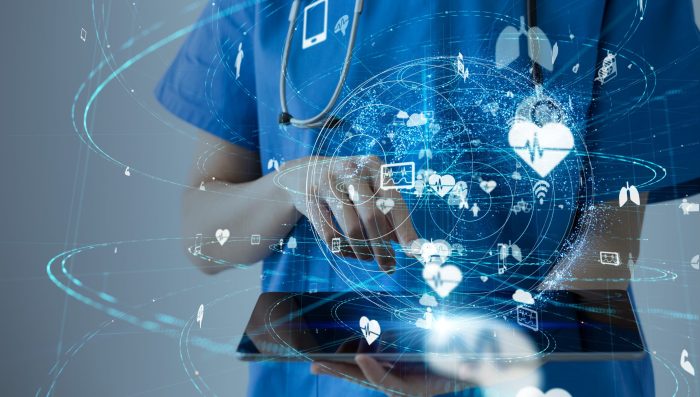
In conclusion, the impact of Health Information Technology cannot be overstated. It plays a crucial role in shaping the future of healthcare, paving the way for efficiency and improved patient outcomes. Dive deeper into this dynamic field to witness the endless possibilities it offers.
Question & Answer Hub
What are the key components of Health Information Technology systems?
The key components include Electronic Health Records (EHR), Health Information Exchange (HIE), and Clinical Decision Support Systems (CDSS).
How does Health Information Technology improve patient care?
By providing healthcare professionals with instant access to patient records, treatment history, and diagnostic information, allowing for more informed decisions and personalized care.
What challenges are faced in implementing Health Information Technology?
Common challenges include interoperability issues, data security concerns, and resistance from healthcare providers to adopt new technologies.