Delving into Careers in Health Information Technology: Opportunities and Growth, this introduction immerses readers in a unique and compelling narrative, with a casual formal language style that is both engaging and thought-provoking from the very first sentence.
As we explore the world of Health Information Technology careers, we uncover a realm of opportunities and growth that are reshaping the healthcare industry.
Overview of Health Information Technology Careers
Health Information Technology (HIT) professionals play a crucial role in managing and securing healthcare data to improve patient care outcomes. They are responsible for implementing and maintaining electronic health records (EHR) systems, analyzing data for quality improvement, and ensuring compliance with healthcare regulations.
The importance of Health Information Technology in the healthcare industry cannot be overstated. By digitizing patient records and streamlining information flow, HIT professionals help healthcare providers deliver more efficient and effective care. They also play a key role in safeguarding sensitive patient information from cyber threats.
Examples of Job Titles in Health Information Technology
- Health Information Manager
- Clinical Data Analyst
- Health Informatics Specialist
- Medical Coding Specialist
- Healthcare IT Project Manager
Educational Requirements and Training
Health Information Technology (HIT) careers typically require a blend of formal education and specialized training to succeed in this rapidly evolving field. Individuals interested in pursuing a career in HIT have several educational paths to consider, each with its own set of benefits and opportunities.
Formal Education
Formal education in Health Information Technology often involves completing a degree program in Health Information Management (HIM) or Health Informatics. These programs are available at the associate, bachelor's, and master's levels, with coursework covering topics such as medical coding, electronic health records, data analysis, and healthcare systems.
- Associate Degree: An associate degree in Health Information Technology or Health Information Management is a common entry point for individuals seeking to start a career in this field. This program typically takes two years to complete and provides foundational knowledge in healthcare operations, information technology, and data management.
- Bachelor's Degree: A bachelor's degree in Health Information Management or Health Informatics offers a more in-depth study of HIT concepts and principles. This program usually takes four years to complete and includes coursework in healthcare ethics, information security, and health data analytics.
- Master's Degree: A master's degree in Health Informatics or Health Information Management is ideal for individuals looking to advance their careers or pursue leadership positions in HIT. This program delves deeper into advanced topics such as health information exchange, population health management, and healthcare policy.
Certifications and Qualifications
In addition to formal education, certifications play a crucial role in advancing a career in Health Information Technology. Common certifications for HIT professionals include Certified Health Data Analyst (CHDA), Registered Health Information Technician (RHIT), and Certified Professional in Healthcare Information and Management Systems (CPHIMS).
These certifications demonstrate expertise in specific areas of HIT and can improve job prospects and earning potential.
On-the-Job Training
While formal education provides a strong foundation for a career in Health Information Technology, on-the-job training and professional experience are also valuable assets. Many HIT professionals gain practical skills by participating in internships, externships, or on-the-job training programs. These experiences allow individuals to apply their knowledge in real-world settings, develop critical thinking skills, and build professional networks within the healthcare industry.Overall, a combination of formal education and on-the-job training is often the most effective approach for individuals looking to succeed in Health Information Technology.
By obtaining the necessary education and certifications, as well as gaining practical experience through training programs, aspiring HIT professionals can position themselves for a successful and rewarding career in this dynamic field.
Skills and Competencies
To excel in a career in Health Information Technology, individuals need to possess a specific set of skills and competencies that are crucial for success in this field. These skills encompass both technical expertise and soft skills that are essential for effectively managing healthcare data and systems.
Key Skills and Competencies
- Proficiency in data management and analysis: Health Information Technology professionals must be skilled in managing and analyzing large sets of healthcare data to ensure accuracy, security, and compliance with regulations.
- Knowledge of healthcare systems: Understanding how healthcare systems operate and the specific requirements for data management within these systems is vital for success in this field.
- Attention to detail: Given the sensitive nature of healthcare data, professionals in this field must have a keen eye for detail to ensure data accuracy and integrity.
- Problem-solving abilities: Being able to identify and address issues with data management or system functionality is crucial for maintaining the efficiency and effectiveness of healthcare information systems.
Importance of Technical Skills
Technical skills such as data management and analysis are fundamental in Health Information Technology careers. Professionals in this field need to be proficient in utilizing software and tools to organize, analyze, and interpret healthcare data accurately. The ability to navigate complex databases and systems is essential for ensuring the integrity and security of patient information.
Essential Soft Skills
In addition to technical skills, soft skills like communication and problem-solving play a vital role in Health Information Technology careers. Effective communication is necessary for collaborating with healthcare professionals, IT teams, and other stakeholders to ensure the seamless flow of information.
Problem-solving skills enable professionals to tackle complex issues and find innovative solutions to enhance healthcare data management.
Job Opportunities and Growth
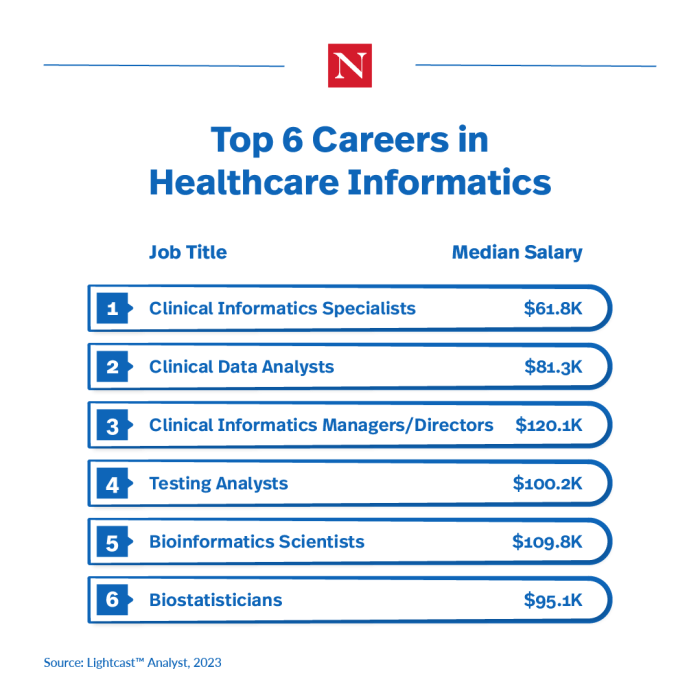
Health Information Technology (HIT) professionals are in high demand in today's healthcare industry. With the increasing focus on digital healthcare systems and electronic health records, the job market for HIT professionals is robust and expected to grow steadily in the coming years.
Current Job Market for Health Information Technology Professionals
- The job market for HIT professionals is diverse, with opportunities in hospitals, clinics, healthcare consulting firms, insurance companies, and government agencies.
- Roles in Health Information Management, Health Informatics, and Health Data Analytics are some of the common positions available for HIT professionals.
- Employers are looking for candidates with a strong understanding of healthcare operations, data management, and information technology.
Projected Growth and Demand for HIT Careers
- According to the Bureau of Labor Statistics, employment of Health Information Technicians is projected to grow 8% from 2019 to 2029, faster than the average for all occupations.
- The increasing adoption of electronic health records and the need for data security and privacy will drive the demand for HIT professionals in the future.
- Healthcare organizations are investing in technology to improve patient care and streamline operations, creating more job opportunities for HIT professionals.
Career Paths and Advancement Opportunities in Health Information Technology
- HIT professionals can pursue various career paths, including becoming Health Information Managers, Clinical Data Analysts, Health IT Project Managers, or Chief Information Officers.
- Advanced certifications such as Registered Health Information Administrator (RHIA) or Certified Health Data Analyst (CHDA) can help professionals advance in their careers.
- With experience and additional training, HIT professionals can take on leadership roles and contribute to strategic decision-making within healthcare organizations.
Salary and Compensation
When it comes to careers in Health Information Technology, professionals can expect competitive salaries and comprehensive compensation packages. Let's delve into the details of average salaries, factors influencing pay ranges, and additional benefits that come with these roles.
Average Salaries and Compensation Packages
Health Information Technology professionals can typically expect to earn a median annual salary of around $40,000 to $90,000, depending on factors such as experience, location, and specialization. Entry-level positions may start at the lower end of the scale, while those with advanced degrees or certifications and years of experience can command higher salaries.
Factors Influencing Salary Ranges
Experience
Professionals with more years in the field often earn higher salaries due to their expertise.
Location
Salaries can vary based on the cost of living in different regions or states.
Specialization
Those with specialized skills or certifications in areas such as data analysis or healthcare compliance may earn higher salaries than generalists.
Additional Benefits
In addition to competitive salaries, Health Information Technology professionals may also receive benefits such as:
Healthcare
Many employers offer health insurance coverage for employees and their families.
Retirement Plans
Options like 401(k) plans or pension schemes can help professionals save for the future.
Professional Development Opportunities
Employers may provide funding for certifications, workshops, or conferences to help employees enhance their skills and stay current in the field.
Emerging Trends and Technologies

As the field of Health Information Technology continues to evolve, it is essential for professionals to stay informed about the latest trends and technologies that are shaping the industry's future.
Artificial Intelligence in Health Information Technology
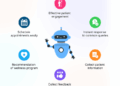
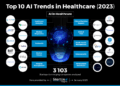
Artificial Intelligence (AI) is revolutionizing the healthcare industry by improving patient outcomes, streamlining operations, and enhancing decision-making processes. AI algorithms can analyze vast amounts of data to identify patterns, predict outcomes, and personalize patient care. This technology is being integrated into electronic health records (EHRs) to provide real-time insights and support clinical decision-making.
Telemedicine and Remote Patient Monitoring
Telemedicine and remote patient monitoring technologies are becoming increasingly popular, especially in light of the COVID-19 pandemic. These technologies allow healthcare providers to deliver care to patients remotely, improving access to healthcare services and reducing the need for in-person visits.
Health Information Technology professionals play a crucial role in implementing and maintaining these telehealth solutions to ensure seamless communication and data exchange between patients and providers.
Electronic Health Records (EHR) Optimization
Optimizing electronic health records (EHRs) is a key focus for Health Information Technology professionals. By improving the usability and interoperability of EHR systems, healthcare organizations can enhance data accuracy, patient safety, and overall efficiency. Professionals in this field are continuously exploring innovative ways to customize EHRs, integrate new functionalities, and ensure data security and privacy compliance.
End of Discussion
In conclusion, the discussion on Careers in Health Information Technology: Opportunities and Growth sheds light on the dynamic landscape of this field, highlighting the potential for individuals to thrive and make a significant impact.
User Queries
What are some common job titles in Health Information Technology?
Some common job titles include Health Information Manager, Clinical Data Analyst, and Health IT Consultant.
What are the average salaries for professionals in Health Information Technology?
The average salary ranges from $50,000 to $90,000 per year, depending on factors like experience and location.
How can individuals stay updated with emerging technologies in this field?
Professionals can attend conferences, participate in online courses, and engage in continuous learning to stay abreast of new technologies.