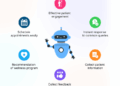
Exploring the landscape of Top 5 Healthcare Conversational AI Platforms in 2025, this introduction sets the stage for a deep dive into the innovative technologies reshaping the healthcare industry.
As we navigate through the realms of artificial intelligence and healthcare, a new era of patient care and engagement emerges with the integration of conversational AI platforms.
Overview of Healthcare Conversational AI Platforms
Conversational AI in healthcare refers to the use of artificial intelligence technology to enable natural language interactions between patients, healthcare providers, and healthcare systems. These platforms are designed to understand and respond to human language, allowing for more efficient and personalized communication in healthcare settings.
Examples of Conversational AI in Healthcare
- Virtual health assistants: These AI-powered assistants can help patients schedule appointments, provide medication reminders, answer basic medical questions, and even offer emotional support.
- Telemedicine platforms: Conversational AI is integrated into telemedicine platforms to facilitate remote consultations between patients and healthcare providers, improving access to healthcare services.
- Patient education and engagement: AI chatbots are used to deliver personalized health information, reminders for preventive screenings, and follow-up care instructions to patients, enhancing patient engagement and adherence to treatment plans.
Benefits of Using Conversational AI Platforms in Healthcare
- Improved patient experience: Conversational AI platforms offer 24/7 support, quick responses to patient queries, and personalized interactions, leading to enhanced patient satisfaction.
- Efficient healthcare delivery: These platforms streamline administrative tasks, automate appointment scheduling, and provide real-time assistance to healthcare professionals, reducing their workload and improving overall efficiency.
- Enhanced data collection and analysis: Conversational AI platforms can collect and analyze patient data to generate insights that support clinical decision-making, population health management, and predictive analytics.
Importance of Conversational AI Platforms in Healthcare
Conversational AI platforms play a crucial role in revolutionizing the healthcare industry by enhancing patient engagement, improving accessibility, and efficiency, and providing personalized patient care.
Enhanced Patient Engagement
Conversational AI platforms enable patients to interact with healthcare providers in a more convenient and user-friendly manner. Through chatbots and virtual assistants, patients can easily schedule appointments, receive reminders for medications, and access relevant health information. This increased communication leads to higher patient engagement and satisfaction.
Improved Healthcare Accessibility and Efficiency
These platforms help in reducing the burden on healthcare providers by automating routine tasks such as appointment scheduling, triaging patients based on symptoms, and providing initial medical advice. This automation leads to improved efficiency in healthcare delivery, reduces waiting times, and ensures that patients receive timely care.
Personalized Patient Care
Conversational AI platforms use advanced algorithms to analyze patient data and provide personalized recommendations and treatment plans. By leveraging machine learning and natural language processing, these platforms can understand patient preferences, medical history, and current health status to offer tailored healthcare solutions.
This personalized approach enhances the overall patient experience and outcomes.
Top Features to Look for in Healthcare Conversational AI Platforms
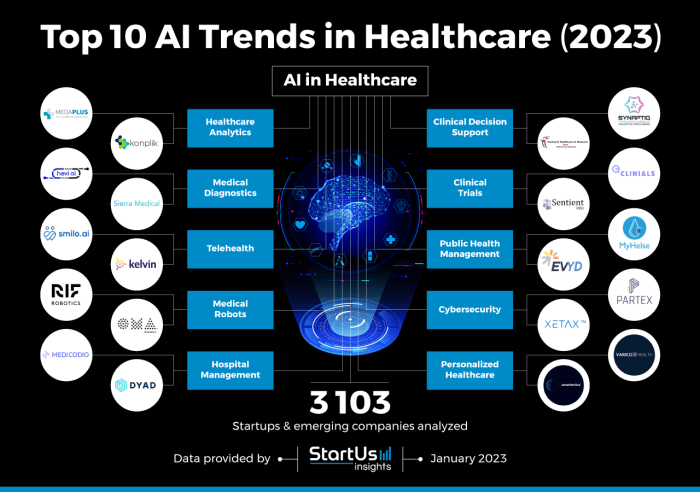
When selecting a healthcare conversational AI platform, it is crucial to consider specific features that can enhance patient care, streamline processes, and ensure data security. Here are some key features to look for:
Natural Language Processing Capabilities
- Advanced natural language processing (NLP) capabilities enable the AI platform to understand and interpret human language accurately.
- Look for platforms that can analyze unstructured data from patient interactions to extract meaningful insights and information.
- Effective NLP allows for more personalized and context-aware interactions with patients, improving overall user experience.
Integration with Electronic Medical Records (EMRs)
- Seamless integration with EMRs enables the AI platform to access patient data in real-time, providing clinicians with valuable information during consultations.
- Platforms that can pull relevant patient information from EMRs help in delivering more personalized care and treatment recommendations.
- Integration with EMRs also ensures that patient data remains secure and compliant with healthcare regulations.
Data Security and Compliance
- Choose AI platforms that prioritize data security and adhere to strict compliance standards such as HIPAA to protect patient information.
- Look for platforms that offer end-to-end encryption, access controls, and audit trails to safeguard sensitive healthcare data.
- Ensuring compliance with regulations is essential to maintain trust with patients and avoid potential legal implications.
Leading Healthcare Conversational AI Platforms in 2025
As of 2025, the healthcare industry has seen a significant rise in the use of conversational AI platforms to enhance patient care, streamline administrative tasks, and improve overall efficiency. Let's take a closer look at the top 5 healthcare conversational AI platforms that are leading the way in the industry.
1. MedWhat AI
MedWhat AI is known for its robust natural language processing capabilities, allowing it to understand complex medical queries and provide accurate responses in real-time. Its strength lies in its ability to continuously learn and adapt to new medical information, making it a reliable source of information for both patients and healthcare professionals.
However, some users have noted occasional challenges in accurately interpreting nuanced medical terminology.
2. Infermedica
Infermedica stands out for its user-friendly interface and seamless integration with electronic health records systems. It excels in symptom checking and triage, helping patients assess their symptoms and determine the urgency of their medical needs. One of its key weaknesses is the limited scope of languages supported, which can be a barrier for non-English-speaking users.
3. Florence Healthcare
Florence Healthcare is praised for its comprehensive patient engagement features, including appointment scheduling, medication reminders, and virtual consultations. Its unique selling point lies in its personalized approach to patient interactions, creating a more tailored and patient-centered experience. However, some users have reported occasional glitches in the system that can disrupt the patient-provider communication flow.
4. Ada Health
Ada Health is widely recognized for its AI-driven symptom assessment capabilities, providing users with personalized health insights based on their reported symptoms. Its strength lies in its extensive medical knowledge base and intuitive symptom checker tool. Despite its popularity, some users have raised concerns about data privacy and the security of personal health information.
5. Buoy Health
Buoy Health is known for its proactive approach to healthcare, offering users personalized health recommendations and actionable insights based on their symptoms and medical history. Its unique feature is the integration of machine learning algorithms that continuously improve the accuracy of its diagnostic recommendations.
However, some users have found the platform's recommendations to be overly cautious, leading to unnecessary anxiety among users.
Future Trends and Innovations in Healthcare Conversational AI
The future of healthcare conversational AI platforms is set to witness a plethora of innovative trends and advancements that will revolutionize the way healthcare is delivered and managed. With the rapid evolution of artificial intelligence technologies, the healthcare industry is poised to benefit from cutting-edge solutions that enhance patient care, streamline processes, and improve overall outcomes.
AI Advancements in Predictive Analytics
Predictive analytics powered by AI algorithms will play a crucial role in healthcare conversational AI platforms of the future. These advanced analytics tools will enable healthcare providers to anticipate and prevent potential health issues, personalize treatment plans, and optimize resource allocation.
By leveraging predictive analytics, healthcare organizations can deliver proactive and targeted care to patients, leading to better health outcomes and reduced costs.
Voice Recognition Technology Integration
Voice recognition technology is another key innovation that will shape the future of healthcare conversational AI platforms. By integrating voice recognition capabilities into AI-powered virtual assistants, patients can interact with healthcare systems more naturally and efficiently. Voice-enabled AI assistants can assist with appointment scheduling, medication reminders, symptom tracking, and other essential healthcare tasks, enhancing patient engagement and adherence to treatment plans.
Impact of AI-Driven Virtual Assistants on Patient Outcomes
AI-driven virtual assistants are poised to have a significant impact on patient outcomes and healthcare delivery models in the coming years. These intelligent virtual assistants can provide patients with personalized health information, guidance on managing chronic conditions, and real-time support for their healthcare needs.
By empowering patients to take a more active role in their health management, AI-driven virtual assistants can improve patient satisfaction, adherence to treatment regimens, and overall health outcomes.
Outcome Summary
In conclusion, the realm of healthcare is on the cusp of transformative change with the adoption of Top 5 Healthcare Conversational AI Platforms in 2025, paving the way for enhanced patient experiences and streamlined healthcare delivery.
Question Bank
What are the key benefits of using conversational AI platforms in healthcare?
Conversational AI platforms enhance patient engagement, improve accessibility and efficiency in healthcare, and play a crucial role in providing personalized patient care.
How do healthcare conversational AI platforms ensure data security and compliance?
These platforms prioritize data security by implementing robust measures such as encryption protocols, access controls, and compliance with healthcare regulations like HIPAA.
What are some upcoming trends in healthcare conversational AI platforms for 2025 and beyond?
Future trends include advancements in predictive analytics, voice recognition technology, and the potential impact of AI-driven virtual assistants on patient outcomes and healthcare delivery models.