Exploring the transformative impact of Conversational AI in healthcare, this article delves into the myriad advantages it offers to both patients and doctors. From enhancing patient engagement to streamlining appointment scheduling, Conversational AI is reshaping the way healthcare is delivered.
As we navigate through the intricate landscape of healthcare technology, the role of AI in improving patient-doctor interactions becomes increasingly evident. Let's uncover the fascinating realm of Conversational AI and its benefits for all stakeholders involved.
Benefits of Conversational AI for Patients
Conversational AI technology offers various benefits for patients, enhancing their overall healthcare experience and engagement.
Improved Patient Engagement
Conversational AI can significantly improve patient engagement by providing personalized interactions and timely responses. Patients can easily ask questions about their health conditions, medications, or treatment plans, leading to a better understanding of their health status.
Enhanced Access to Healthcare Information
Conversational AI can offer patients quick and convenient access to healthcare information. For instance, patients can inquire about symptoms, find nearby healthcare providers, or receive guidance on managing chronic conditions, all through a chatbot or virtual assistant.
Streamlining Appointment Scheduling and Reminders
Conversational AI simplifies the process of scheduling appointments and sending reminders to patients. By allowing patients to book appointments, reschedule, or cancel them through a chatbot, healthcare facilities can optimize their scheduling systems and reduce no-show rates. Additionally, automated reminders can help patients stay on track with their appointments and follow-up care.
Benefits of Conversational AI for Doctors

Conversational AI offers numerous benefits to doctors, revolutionizing the way they manage patient care and administrative tasks.
Efficient Patient Data Management
- Conversational AI can streamline the process of capturing and organizing patient data, ensuring that doctors have easy access to relevant information during consultations.
- By automating data entry and documentation tasks, doctors can focus more on patient care and decision-making, leading to improved efficiency in managing patient records.
- AI-powered systems can help doctors retrieve patient histories, lab results, and treatment plans swiftly, enhancing the overall quality of care provided.
Quicker and More Accurate Diagnoses
- With the assistance of Conversational AI, doctors can access vast databases of medical knowledge and research to aid in making diagnoses promptly and accurately.
- AI algorithms can analyze symptoms, medical history, and test results to suggest potential diagnoses, enabling doctors to make well-informed decisions in a timely manner.
- By leveraging AI technology, doctors can reduce diagnostic errors and improve patient outcomes through early detection and appropriate treatment plans.
Reduced Administrative Tasks
- Conversational AI tools can automate administrative tasks such as appointment scheduling, prescription refills, and billing processes, saving doctors valuable time and resources.
- By delegating routine administrative duties to AI systems, doctors can focus on delivering personalized care to patients and engaging in critical decision-making tasks.
- AI-driven solutions can streamline workflows, minimize paperwork, and enhance communication within healthcare teams, ultimately improving the overall efficiency of medical practices.
Enhanced Communication
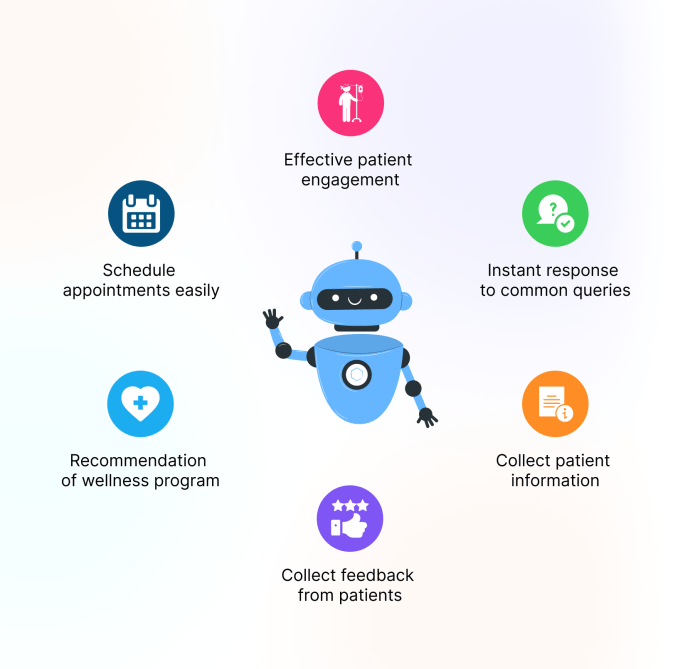
Conversational AI plays a crucial role in enhancing communication between patients and doctors. By utilizing advanced technology, Conversational AI bridges various communication gaps and facilitates smoother interactions in healthcare settings.
Real-time Communication for Better Patient Care
Conversational AI enables real-time communication between patients and doctors, leading to improved patient care outcomes. For instance, patients can easily schedule appointments, receive medication reminders, and ask medical questions through chatbots or virtual assistants. This immediate access to information and support enhances the overall patient experience and ensures timely interventions when needed.
Multilingual Support for Diverse Patient Populations
One of the significant advantages of Conversational AI is its ability to provide multilingual support for diverse patient populations. Patients who speak different languages can communicate with healthcare providers effectively through AI-powered language translation tools. This feature eliminates language barriers, promotes inclusivity, and ensures that all patients receive the care they need regardless of their language proficiency.
Personalized Healthcare
Conversational AI plays a crucial role in revolutionizing personalized healthcare by tailoring recommendations, tracking patient progress, and promoting preventive care through personalized health plans.
Tailored Healthcare Recommendations
Conversational AI utilizes individual patient data to provide tailored healthcare recommendations. By analyzing a patient's medical history, symptoms, and preferences, AI algorithms can offer personalized treatment plans and suggestions for medication, lifestyle changes, or follow-up appointments.
Tracking Patient Progress and Feedback
One of the key benefits of Conversational AI in healthcare is its ability to track patient progress and provide personalized feedback. Through regular interactions and updates, AI-powered systems can monitor changes in a patient's condition, adherence to treatment plans, and overall well-being.
This real-time feedback helps doctors make informed decisions and adjustments to improve patient outcomes.
Promoting Preventive Care
Conversational AI also plays a vital role in promoting preventive care through personalized health plans. By analyzing risk factors, genetic predispositions, and lifestyle habits, AI algorithms can create personalized health plans that focus on disease prevention and early detection. These tailored plans include recommendations for screenings, vaccinations, and lifestyle modifications to help patients maintain optimal health and well-being.
Epilogue
In conclusion, the Benefits of Conversational AI for Patients and Doctors are vast and promising. From personalized healthcare recommendations to efficient patient data management, the integration of AI in healthcare signifies a new era of innovation and patient-centric care. As technology continues to evolve, Conversational AI stands as a beacon of hope for a more connected and efficient healthcare system.
Quick FAQs
How does Conversational AI improve patient engagement?
Conversational AI enhances patient engagement by providing personalized interactions, answering queries promptly, and offering convenient access to healthcare information.
What role does Conversational AI play in streamlining appointment scheduling for patients?
Conversational AI streamlines appointment scheduling for patients by automating the process, sending reminders, and facilitating easy rescheduling.
How can Conversational AI assist doctors in making quicker and more accurate diagnoses?
Conversational AI supports doctors in making quicker and more accurate diagnoses by analyzing patient data efficiently and providing relevant insights.
What benefits does Conversational AI offer in promoting preventive care through personalized health plans?
Conversational AI promotes preventive care through personalized health plans by tailoring recommendations based on individual patient data and tracking progress to provide timely feedback.