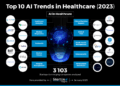
Exploring the Top 10 Trends in Health Information Technology for 2025 unveils a landscape where innovation and advancements converge to reshape the way we approach healthcare. From AI to cybersecurity, these trends hold the key to revolutionizing patient care and health outcomes.
Let's dive into the realm of possibilities that lie ahead.
Overview of Health Information Technology Trends for 2025
Staying updated with health information technology trends is crucial in the fast-evolving landscape of healthcare. These trends not only drive innovation but also have a direct impact on patient care, clinical outcomes, and overall healthcare delivery.
Interoperability and Data Exchange
One of the key areas where technology is expected to make a significant impact by 2025 is in improving interoperability and data exchange among healthcare systems. Seamless sharing of patient information across different platforms can enhance care coordination, reduce errors, and improve patient safety.
Telehealth and Remote Monitoring
Telehealth services and remote monitoring are projected to play a vital role in healthcare delivery in 2025 and beyond. The increased adoption of telemedicine platforms allows patients to access care from the comfort of their homes, leading to better patient engagement, monitoring of chronic conditions, and timely interventions.
Artificial Intelligence and Machine Learning
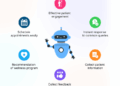
The integration of artificial intelligence (AI) and machine learning in healthcare systems is poised to revolutionize patient care. These technologies can help in predictive analytics, personalized treatment plans, and early detection of diseases, ultimately improving patient outcomes and reducing healthcare costs.
Cybersecurity and Data Privacy
With the growing digitization of health records and sensitive patient information, cybersecurity and data privacy are critical areas of focus for healthcare organizations. By 2025, advancements in cybersecurity measures are expected to safeguard patient data from cyber threats and ensure compliance with regulations like HIPAA.
Interoperability and Data Sharing
Interoperability in health information technology refers to the ability of different systems and devices to exchange, interpret, and use data seamlessly. It allows healthcare providers to access and share patient information across various platforms and applications, enhancing coordination of care and improving patient outcomes.
Challenges in Data Sharing
Despite the importance of data sharing, healthcare systems face significant challenges in achieving seamless interoperability. One major issue is the lack of standardized data formats and protocols, making it difficult for systems to communicate effectively. Additionally, concerns around data privacy and security often hinder the sharing of sensitive patient information between organizations.
Advancements in Interoperability Solutions
By 2025, advancements in interoperability solutions are expected to address many of the current challenges. The widespread adoption of standardized data formats, such as HL7 FHIR (Fast Healthcare Interoperability Resources), will facilitate smoother data exchange between systems. Moreover, the development of blockchain technology and secure data sharing platforms will enhance data security and privacy, encouraging more organizations to participate in interoperability initiatives.
Artificial Intelligence and Machine Learning
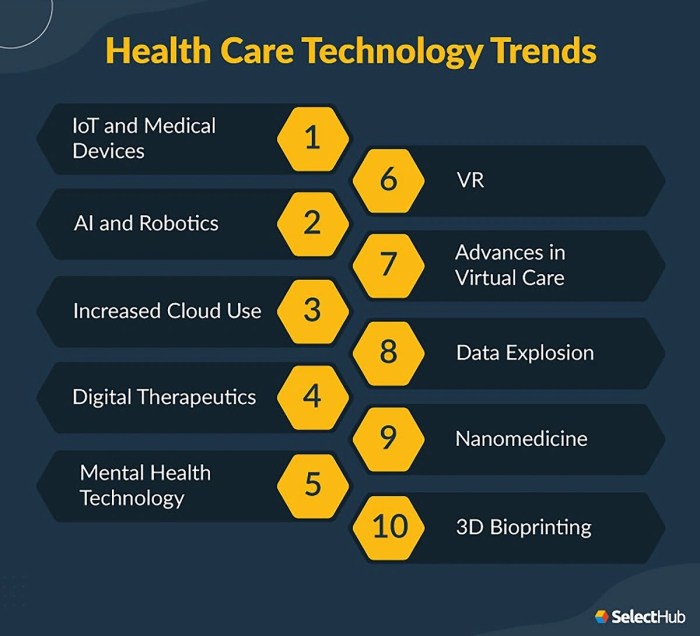
Artificial Intelligence (AI) and Machine Learning are revolutionizing the healthcare industry, offering innovative solutions to improve patient care, optimize operations, and enhance decision-making processes.
Current Applications of AI in Health Information Technology
- Medical Imaging: AI algorithms can analyze medical images such as MRIs and X-rays to detect abnormalities and assist radiologists in making accurate diagnoses.
- Predictive Analytics: AI tools can predict patient outcomes, identify high-risk individuals, and personalize treatment plans based on historical data.
- Natural Language Processing: AI-powered tools can extract insights from unstructured clinical notes, improving documentation and enabling better data analysis.
Future Evolution of AI and Machine Learning by 2025
- Personalized Medicine: AI will play a crucial role in tailoring treatment plans to individual patients, considering genetic, environmental, and lifestyle factors.
- Virtual Health Assistants: AI-powered virtual assistants will provide patients with real-time health advice, monitor chronic conditions, and offer personalized recommendations.
- Drug Discovery: AI algorithms will accelerate drug discovery processes by analyzing vast amounts of data to identify potential drug candidates and predict their efficacy.
Telehealth and Remote Monitoring
Telehealth refers to the use of digital information and communication technologies, such as computers and mobile devices, to access healthcare services remotely. On the other hand, remote monitoring involves the collection of a patient's health data from a distance, which can be transmitted to healthcare providers for analysis and intervention.
Benefits of Telehealth Services
- Improved Access to Care: Telehealth allows patients to consult with healthcare professionals without the need to travel, particularly beneficial for individuals in rural or underserved areas.
- Convenience and Flexibility: Patients can schedule appointments at their convenience, reducing wait times and allowing for greater flexibility in managing their healthcare needs.
- Cost-Effective: Telehealth services can lead to cost savings for both patients and healthcare providers by reducing travel expenses and the need for physical infrastructure.
- Enhanced Monitoring: Remote monitoring enables continuous tracking of patients' health metrics, leading to early detection of potential issues and better management of chronic conditions.
Future Trends in Telehealth Technology
- Integration of Wearable Devices: The use of wearable technology for remote monitoring is expected to increase, providing real-time data to healthcare providers for more personalized care.
- Telemedicine Platforms: Advanced telemedicine platforms will offer more interactive features, such as virtual consultations, secure messaging, and integration with electronic health records.
- AI-Driven Diagnostics: Artificial intelligence algorithms will play a larger role in analyzing remote monitoring data, assisting in diagnosis and treatment recommendations.
- Expansion of Telehealth Services: Telehealth services are likely to expand to cover a broader range of medical specialties and conditions, making healthcare more accessible to a larger population.
Cybersecurity in Health IT
Cybersecurity plays a crucial role in safeguarding sensitive health data from cyber threats and breaches. As healthcare organizations increasingly rely on digital platforms to store and manage patient information, ensuring robust cybersecurity measures is imperative to maintain data integrity and patient privacy.
Current Cybersecurity Challenges
Healthcare organizations face numerous cybersecurity challenges, including:
- Lack of resources: Limited budgets and IT staff hinder the implementation of comprehensive cybersecurity measures.
- Legacy systems: Outdated infrastructure and software are more vulnerable to cyber attacks.
- Human error: Employee training and awareness are essential to prevent data breaches caused by unintentional actions.
- Ransomware attacks: Increasing incidents of ransomware targeting healthcare data for financial gain.
Future Trends and Innovations
Looking ahead, healthcare organizations are exploring innovative cybersecurity solutions to address evolving threats:
- Zero Trust Architecture: Implementing a zero-trust approach to security, which assumes that threats exist both inside and outside the network.
- Blockchain Technology: Leveraging blockchain for secure and transparent health data management, ensuring data integrity and confidentiality.
- AI-Powered Security Tools: Utilizing artificial intelligence and machine learning for proactive threat detection and response.
- Biometric Authentication: Enhancing access control with biometric identifiers like fingerprints or facial recognition to strengthen authentication processes.
Wearable Technology and Health Apps
Wearable technology and health apps have revolutionized the way patients engage with their healthcare. These tools provide users with real-time data about their health, fitness, and medical conditions, empowering them to take control of their well-being like never before.
Impact on Patient Engagement
Wearable devices and health apps have significantly increased patient engagement by allowing individuals to monitor their health on a daily basis. Patients can track their vital signs, physical activity, sleep patterns, and more, leading to a more proactive approach to managing their health.
This continuous feedback loop encourages healthier behaviors and adherence to treatment plans, ultimately improving health outcomes.
Popular Examples in the Market
Some popular health apps include MyFitnessPal for tracking nutrition and exercise, Headspace for meditation and stress relief, and Clue for menstrual cycle tracking. In terms of wearable devices, the Apple Watch, Fitbit, and Garmin are among the most well-known brands that offer features like heart rate monitoring, activity tracking, and even ECG readings.
Evolution by 2025
By 2025, wearable technology and health apps are expected to become even more sophisticated and integrated into healthcare systems. We can anticipate advancements in sensor technology, leading to more accurate health data collection. Additionally, these tools will likely become more personalized, leveraging AI algorithms to provide tailored recommendations based on individual health profiles.
The integration of wearables and apps with electronic health records will also streamline communication between patients and healthcare providers, facilitating better care coordination and improving overall patient outcomes.
Blockchain in Healthcare
Blockchain technology is a decentralized, distributed ledger system that provides a secure and transparent way to record transactions across a network of computers. In healthcare, blockchain can revolutionize the way patient data is stored, accessed, and shared.
Benefits of Blockchain for Secure Health Data Exchange
- Enhanced Security: Blockchain technology uses encryption and consensus algorithms to ensure the security and integrity of health data.
- Improved Interoperability: By creating a unified platform for data exchange, blockchain eliminates the need for intermediaries and facilitates seamless sharing of information among healthcare providers.
- Auditability and Transparency: Every transaction recorded on the blockchain is immutable, providing a transparent audit trail for all data exchanges, which can enhance trust among stakeholders.
- Data Integrity: With blockchain, patient data is stored in a tamper-proof manner, reducing the risk of data breaches and unauthorized access.
Predicted Adoption and Integration of Blockchain in Healthcare IT Systems by 2025
Blockchain technology is expected to see increased adoption in healthcare IT systems by 2025 due to its potential to address key challenges in the industry. With the growing emphasis on data security, interoperability, and patient privacy, healthcare organizations are likely to leverage blockchain solutions to streamline operations and improve patient outcomes.
Moreover, regulatory bodies are recognizing the benefits of blockchain in healthcare, paving the way for widespread integration across the sector.
Precision Medicine and Genomics
Precision medicine and genomics play a crucial role in personalized healthcare by tailoring medical treatment and prevention strategies to individual genetic makeup. Genomics, the study of an individual's complete set of DNA, provides valuable insights into how a person's genes affect their health and response to medications.
This information is utilized in precision medicine to deliver targeted and personalized healthcare interventions.
Advancements in Genomics and Precision Medicine
- Genomic Sequencing: The ability to sequence an individual's entire genome has become more accessible due to technological advancements, allowing healthcare providers to identify genetic variations that may impact a person's risk of developing certain diseases.
- Personalized Treatment Plans: By analyzing a patient's genetic information, healthcare professionals can create personalized treatment plans that are tailored to their unique genetic profile, improving the efficacy of treatments and reducing adverse reactions.
- Predictive Medicine: Genomics enables the prediction of disease risk based on genetic markers, allowing for early intervention and prevention strategies to mitigate potential health issues.
Future Trends in Genomics and Precision Medicine Technology
- Enhanced Data Integration: Integration of genomics data with electronic health records (EHRs) will become more seamless, allowing for comprehensive patient profiles that incorporate genetic information for more personalized care.
- AI-driven Insights: Artificial intelligence (AI) will play a significant role in analyzing vast amounts of genomic data to identify patterns and correlations that can lead to more precise diagnostics and treatment recommendations.
- Expanded Genetic Testing: Genetic testing services will continue to expand, offering consumers more options for obtaining their genetic information and empowering individuals to take proactive measures to manage their health based on genetic insights.
Virtual Reality and Augmented Reality in Healthcare
Virtual Reality (VR) and Augmented Reality (AR) are cutting-edge technologies that have the potential to transform healthcare practices by 2025. These immersive technologies are already being utilized in various medical settings to enhance medical training, patient care, and surgical procedures.
Current Use Cases for VR and AR in Healthcare
- Medical Training: VR and AR simulations are being used to train medical students and healthcare professionals in realistic scenarios, allowing them to practice complex procedures in a safe environment.
- Patient Care: VR is being used to reduce pain and anxiety in patients during medical procedures, while AR is assisting surgeons by overlaying important information during surgeries for enhanced precision.
Revolutionizing Healthcare Practices with VR and AR
- Enhanced Diagnostics: VR and AR technologies can provide 3D visualizations of patient data for more accurate diagnostics and treatment planning.
- Remote Consultations: By using VR and AR, healthcare providers can conduct remote consultations with patients in a more immersive and interactive manner.
- Rehabilitation: VR is being utilized in physical therapy and rehabilitation programs to create engaging exercises that promote faster recovery and improve patient outcomes.
Ethics and Regulations in Health IT
The intersection of ethics and regulations in Health Information Technology (IT) is crucial for ensuring patient privacy, data security, and overall ethical practices within the healthcare industry.
Ethical Considerations in Health IT
- The ethical considerations in health IT revolve around patient privacy, consent for data sharing, and the responsible use of patient data.
- Ethical dilemmas may arise from the use of AI and machine learning in healthcare, such as bias in algorithms or decision-making processes.
- Healthcare professionals must adhere to ethical guidelines when using technology to ensure patient trust and confidentiality.
Regulations in Health IT
- The current regulations governing health IT include HIPAA (Health Insurance Portability and Accountability Act) in the United States, GDPR (General Data Protection Regulation) in Europe, and other country-specific data protection laws.
- These regulations aim to protect patient data, ensure data security, and establish guidelines for the ethical use of technology in healthcare.
- Healthcare organizations must comply with these regulations to avoid legal repercussions and maintain patient trust.
Future Trends in Ethical Practices and Regulatory Frameworks
- By 2025, we can expect an increased focus on ethics and transparency in health IT, with stricter guidelines for data sharing and patient consent.
- Regulatory frameworks may evolve to address emerging technologies like blockchain and telehealth, ensuring their ethical use in healthcare settings.
- Ethical considerations around data ownership, algorithm accountability, and patient empowerment are likely to shape future regulations in health IT.
Concluding Remarks
In conclusion, the Top 10 Trends in Health Information Technology for 2025 paint a picture of a healthcare industry on the brink of transformation. Embracing these trends will not only enhance patient care but also pave the way for a more efficient and effective healthcare system.
The future is indeed promising with these technological innovations at the forefront.
Frequently Asked Questions
What are the key areas where technology is expected to make an impact in healthcare by 2025?
Technology is anticipated to revolutionize healthcare delivery, patient outcomes, and data management systems by 2025.
How will AI and machine learning evolve by 2025 in the healthcare sector?
AI and machine learning applications are expected to become more sophisticated, aiding in diagnostics, personalized treatment plans, and predictive analytics.
What is the significance of blockchain in healthcare IT systems by 2025?
Blockchain technology is set to enhance data security, enable seamless data exchange, and improve transparency in healthcare systems by 2025.